

Maximizing Lifespan: Maintenance Tips for Custom Fleet Equipment
Let’s be honest: your fleet is a massive investment. When you invest in high-tier fleet upfitting services in Texas, you aren’t just buying a vehicle; you’re buying a mobile office, a command center, or an emergency response unit. The custom equipment inside, the lightbars, the siren controllers, the ruggedized consoles, is what makes the vehicle functional.
But here’s the kicker: specialized gear needs specialized care. You can’t just change the oil and hope for the best. If your custom wiring harness fails or your lightbar starts flickering, your vehicle is out of service. That’s downtime you can’t afford.
In this guide, we’re going to look at how to keep your public safety vehicle equipment and custom upfits running for years, not just months.
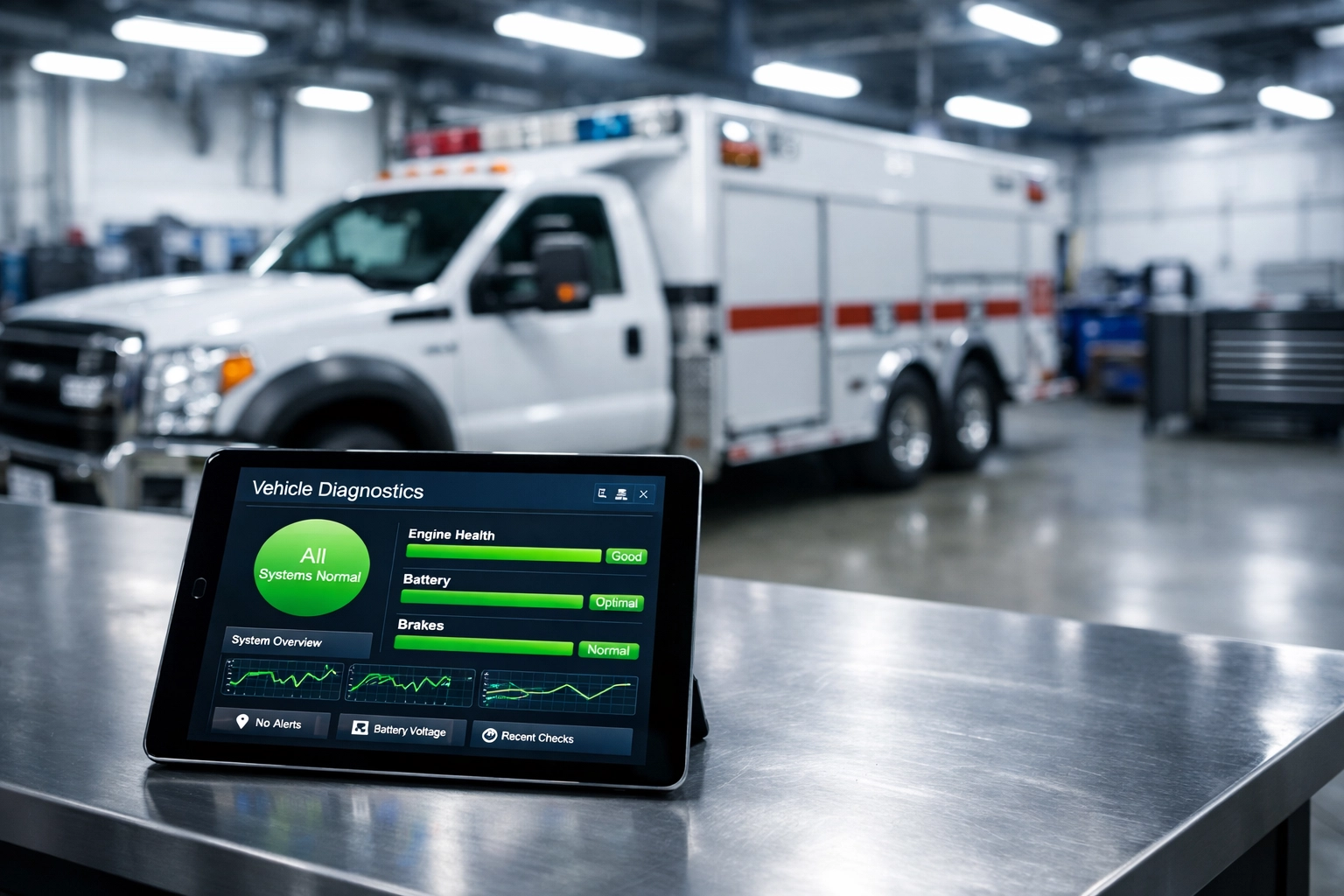
1. The Proactive Mindset: Why “Wait and See” Fails
Most fleet managers operate on a reactive basis. Something breaks, they fix it. While that works for a broken door handle, it’s a recipe for disaster for custom electronics.
Preventative maintenance (PM) is the gold standard. By catching a loose connection or a cracked seal early, you prevent the “cascade failure”, where one small short-circuit fries an entire power management system.
Create a Custom Maintenance Schedule
Every vehicle is different. A patrol car idling for 12 hours a day has different needs than a utility truck driving off-road.
- Consult the OEM: Start with the manufacturer guidelines for each specific component.
- Adjust for Texas Conditions: Heat is the enemy of electronics. If you’re operating in the Texas summer, double your inspection frequency for cooling fans and battery health.
- Segment your Assets: Track the maintenance of the vehicle (the truck/car) separately from the upfit (the equipment).
2. Safeguarding the “Brain”: Electronics and Consoles
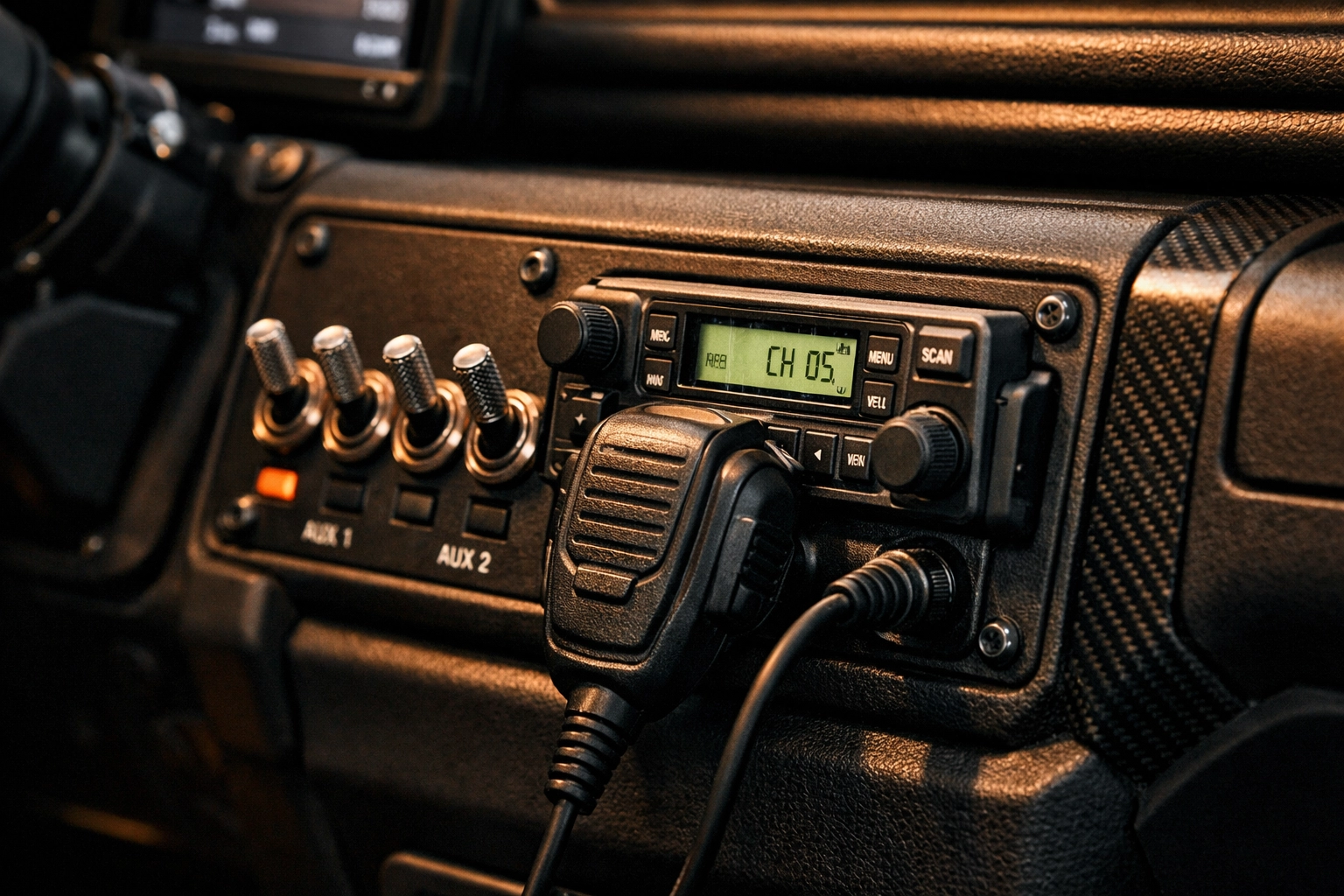
The cockpit of a modern fleet vehicle is packed with technology. From radio mounts to specialized laptop docks, these components are prone to vibration and dust.
Wiring and Connectivity
Wiring is often the “invisible” part of an upfit, but it’s the most common point of failure.
- Check the Harnesses: Periodically inspect wire looms for signs of chafing. Even with high-quality fleet upfitting services in Texas, thousands of miles of vibration can cause wires to rub against metal frames.
- The Art of Connection: Ensure all ground points are clean and tight. A loose ground is the leading cause of “ghost” issues, those annoying intermittent failures that are hard to diagnose. Learn more about the technical side in our piece on the art of connection.
- Dielectric Grease: Use it on exterior-facing connectors to prevent moisture ingress. Oops… did you forget to seal that bulkhead connector? That’s how corrosion starts.
Ergonomic Consoles and Cockpit Care
If you’ve optimized your vehicle for improving response times with ergonomic cockpit design, you need to keep that hardware stable.
- Tighten Mounts: Ruggedized consoles hold heavy gear. Check the mounting bolts every 10,000 miles. A rattling console isn’t just annoying; it’s a safety hazard.
- Dust Management: Electronics hate dust. Use compressed air to blow out computer docks and radio vents. Avoid using liquid cleaners directly on the buttons of siren controllers or switch panels.
3. Lighting Maintenance: Staying Visible and Compliant
For public safety vehicle equipment, lighting is non-negotiable. If your lightbar is dim or half-dead, your officers or technicians are at risk.
Inspection Routine
- The Walk-Around: This should be a daily driver task. Check all flash patterns.
- Seal Integrity: Look for condensation inside lightheads. If you see fogging, the seal has failed. If left alone, the moisture will eventually corrode the LED circuit board.
- Mounting Brackets: Lightbars sit on the roof, exposed to wind resistance and car washes. Ensure the feet of the lightbar are securely attached to the roof or gutter mounts.
Avoiding Common Errors
Installing lights is one thing; maintaining them is another. Many issues stem from the initial setup. If you’re seeing premature failures, check out our guide on 7 critical mistakes to avoid during police car lighting installation.

4. Power Management: The Silent Life-Extender
Custom gear draws a lot of power. If your charging system isn’t maintained, you’ll kill your batteries, and potentially damage your sensitive public safety vehicle equipment.
- Load Testing: Regularly test the alternator and primary/secondary batteries. Upfitted vehicles often use dual-battery systems; ensure the isolator is functioning so you don’t get stranded.
- Clean the Terminals: Corrosion on battery terminals creates resistance. Resistance creates heat. Heat kills electronics. It’s a simple fix that saves thousands.
- Parasitic Draw: If a vehicle sits for a weekend and the battery is dead, you have a parasitic draw. This is often caused by a timer or a relay that isn’t shutting off correctly.
5. Environmental Protection and Cleaning
Texas weather is brutal. From the coastal salt air to the Panhandle dust storms, your equipment takes a beating.
Washing Protocol
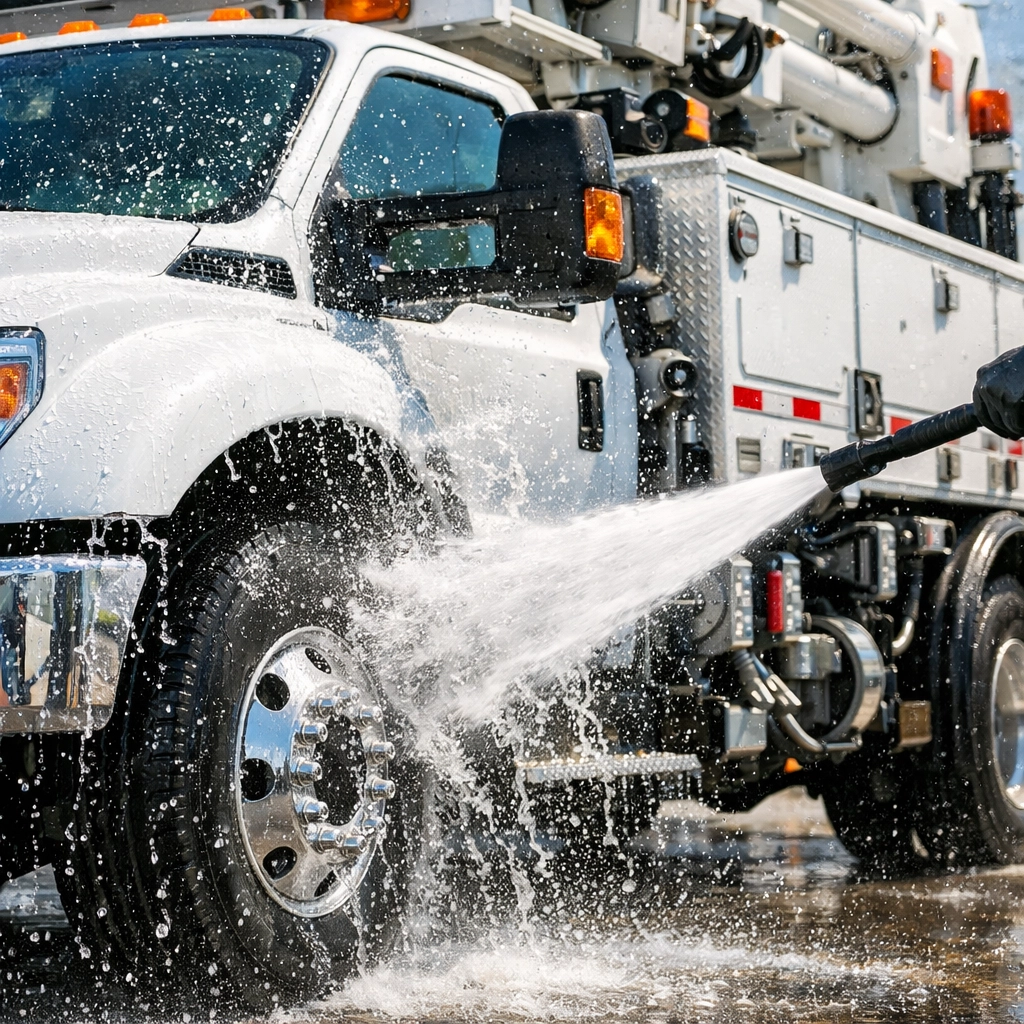
- Avoid High-Pressure on Seals: When washing the vehicle, don’t blast high-pressure water directly at lightbar gaskets or exterior sirens.
- Undercarriage Care: If your vehicle has under-body lighting or specialized power steps, wash the undercarriage regularly to remove road salts and mud that trap moisture.
- UV Protection: For exterior plastic components, use a UV-protectant spray to prevent the “fading” and brittleness that lead to cracks.
6. Documentation: The Secret to Long-Term Success
You can’t manage what you don’t measure. Keeping a digital or physical log for every vehicle’s custom equipment is vital.
- Serial Number Tracking: Know exactly when a piece of gear was installed and its warranty status.
- Service History: If a specific lighthead has been replaced three times in a year, you don’t have a bad lighthead, you have a wiring problem. Documentation helps you see these patterns.
- Telematics: Use modern fleet software to track usage hours. Sometimes “engine hours” are more important than “mileage” for maintenance intervals on specialized power equipment.
If you are looking to upgrade your fleet or need professional eyes on your current setup, feel free to reach out to our team via our contact page.

FAQs
How often should I inspect the custom wiring in my fleet vehicles?
We recommend a deep-dive inspection of all wiring looms and connection points every 12 months or 15,000 miles. However, a quick visual check of accessible harnesses should be part of every oil change.
Is it okay to use a standard automatic car wash for vehicles with lightbars?
Generally, yes, but avoid car washes with heavy “brushes” that can snag on the edges of the lightbar. “Touchless” washes are the safest bet for upfitted vehicles to protect seals and brackets.
Why do my LED lights flicker after a few months of use?
Flickering is almost always a power or grounding issue, not a failure of the LED itself. Check for loose ground wires or a battery that is struggling to maintain consistent voltage.
What is the average lifespan of a custom upfit?
With proper maintenance, a high-quality upfit should last the entire service life of the vehicle (typically 5-7 years for public safety). Many components can even be “re-upped” into a new vehicle if they are well-maintained.
How do I prevent “spaghetti wiring” from causing issues?
The best way is to start with a clean installation from a professional fleet upfitting service in Texas. If your current wiring is a mess, use zip ties and cable looms to secure loose wires and prevent vibration damage.
Does heat affect siren speakers and controllers?
Yes. Texas heat can cause plastic housings to warp and internal components to overheat. Ensure siren speakers are mounted in a location with adequate airflow and are kept clear of road debris.
Can I perform my own maintenance on specialized upfits?
Basic tasks like cleaning and visual inspections can be done in-house. However, for diagnostic issues or electrical repairs, it’s best to contact a professional to avoid voiding warranties or damaging sensitive equipment.
Signal Fleet Solutions
Your Partner in Fleet Longevity.
About Us | Our Services | Contact Us