
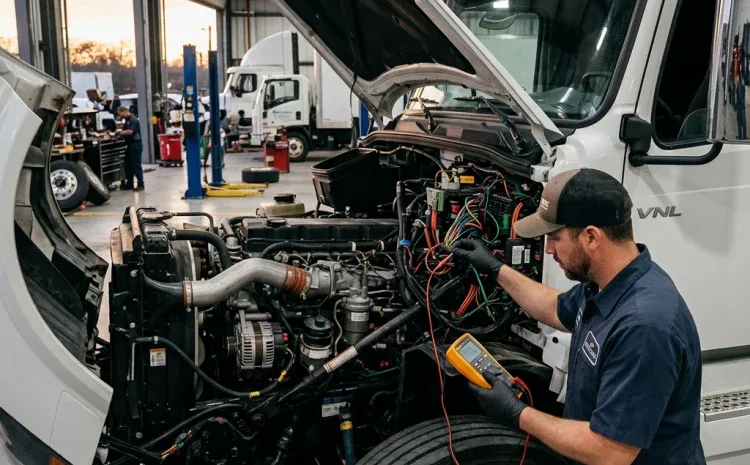
10 Reasons Your Fleet’s Electrical System Keeps Failing (And How to Fix It)
Nothing derails a shift faster than a squad car that won’t crank or an ambulance with flickering displays. In the world of public safety and heavy-duty fleets, electrical gremlins are more than an annoyance, they are a liability. When you’ve got a mountain of aftermarket equipment, radios, lightbars, sirens, and laptops, crammed into a vehicle, the factory electrical system is pushed to its absolute limit.
In Texas, we add another layer of difficulty: the heat. Between the triple-digit ambient temperatures and the internal heat generated by high-draw electronics, your fleet’s wiring is under constant siege. If you find yourself jumping off the same trucks every other morning, it’s time to stop treating the symptoms and start fixing the cause.
Here are the 10 most common reasons fleet electrical systems fail and the professional steps you need to take to fix them.
1. The “Texas Toaster” Effect (Extreme Heat)
Heat is the natural enemy of electrical conductivity. As temperatures rise, the resistance in wires increases, making the system work harder to deliver the same amount of power. Under-hood temperatures in a Texas summer can easily exceed 200°F, which cooks batteries and degrades wire insulation over time.
The Fix:
Use high-temperature rated wiring (GXL or TXL) rather than standard primary wire. Ensure batteries are shielded with heat wraps and that your upfit layout allows for maximum airflow around high-draw components. If you’re designing a new build, check out our guide on improving response times with ergonomic cockpit design to see how layout affects heat management.
2. Poor Grounding (The “Black Magic” of Electrical)
Grounding is the most misunderstood part of vehicle upfitting. Most people think “any piece of metal” is a good ground. Oops… that’s how you end up with “ghost” issues where the radio cuts out every time you turn on the siren. Paint, rust, and chassis adhesives act as insulators, preventing a clean return path to the battery.
The Fix:
Stop using the vehicle’s sheet metal as your primary ground for high-draw equipment. Run a dedicated ground wire back to a central ground bar that is tied directly to the battery or a verified factory ground stud. Always sand down to bare metal and use star washers to ensure a bite.

3. Parasitic Draws and “Always-On” Equipment
Modern fleet vehicles are packed with “vampire” loads. Even when the ignition is off, computers, GPS trackers, and DVR systems continue to pull small amounts of current. Over a weekend, these small draws can flatten a battery enough to prevent a start on Monday morning.
The Fix:
Install an automated power management timer (like a ChargeGuard) or a low-voltage disconnect (LVD). These devices ensure that aftermarket equipment stays on for a set period after the engine stops but cuts power before the battery reaches a critical discharge state. Avoiding these 7 critical mistakes during lighting installation can save your battery from an early grave.
4. Overloading the Alternator
Your factory alternator was designed to run the engine and the radio, not a 200-amp light and siren package plus a mobile data terminal. When the demand exceeds the alternator’s output, the system begins pulling from the battery even while the engine is running. This leads to “deep cycling” the battery, which it isn’t designed for.
The Fix:
Do a power budget calculation. Add up the max amperage of every piece of equipment. If it exceeds 80% of your alternator’s rated output, you need a high-output alternator upgrade. At Signal Fleet Solutions, we often recommend dual-battery systems for EMS and Fire applications to handle these heavy loads.
5. Improper Crimps and Connection Failures
A “loose” connection is a high-resistance connection. High resistance creates heat. Heat melts connectors. This is a common failure point in DIY or low-budget upfits. If you can pull the wire out of the terminal with your hands, it’s not a connection; it’s a fire hazard.
The Fix:
Use the right tools. Throw away the cheap $10 crimpers from the hardware store and use ratcheting crimpers designed for the specific terminal type. Use heat-shrink terminals to seal out moisture and prevent corrosion. For a deeper dive into making solid connections, read the art of connection.
6. Undersized Wiring (Voltage Drop)
Using a wire that is too small for the load is like trying to put out a house fire with a garden hose. The friction (resistance) builds up, and the voltage drops before it reaches the equipment. If your 12V equipment is only receiving 10.5V, it will malfunction or fail prematurely.
The Fix:
Always size your wire based on the amperage draw and the length of the run. A 20-amp load might need 12 AWG for a 5-foot run, but if that wire is going 20 feet to the back of a van, you might need 8 AWG.

7. Lack of Proper Circuit Protection
Fuses are there to protect the wire, not the device. If a wire shorts out and there is no fuse (or a fuse that is too large), the wire becomes a heating element. We’ve seen entire wire looms melted together because someone “up-fused” a circuit to stop it from blowing.
The Fix:
Every positive lead must be fused as close to the power source as possible. Use dedicated power distribution blocks rather than “stacking” ring terminals on a single battery post. It makes troubleshooting easier and keeps the engine bay organized.
8. Excessive Idling Stress
Fleet vehicles: especially in law enforcement: spend hours idling. At low RPMs, most alternators are only producing a fraction of their maximum rated power. Combined with the lack of airflow from a stationary vehicle, the electrical system is operating at its most inefficient state.
The Fix:
Implement a routine maintenance schedule that includes “load testing” the battery and alternator every 6 months. Don’t wait for a failure. Proactive maintenance for custom fleet equipment is the only way to catch a failing alternator before it leaves an officer stranded.
9. Mechanical Chafing and Vibration
Vehicles move, shake, and vibrate. If a wire is run over a sharp metal edge without protection, it’s only a matter of time before the insulation wears through and causes a dead short.
The Fix:
Use automotive-grade split loom or braided sleeving for all wire runs. Secure everything with cable ties every 6–12 inches. Use rubber grommets whenever a wire passes through a firewall or metal bulkhead. If it can move, it will chafe.

10. Using Non-Automotive Grade Components
It’s tempting to save a few bucks by using “marine” or “home” grade switches and relays. However, the automotive environment is unique in its combination of vibration, chemical exposure (oil/gas), and extreme temperature swings.
The Fix:
Stick to name-brand, automotive-grade components. Look for IP-rated (Ingress Protection) housings for any equipment mounted outside the cabin. Cheap components are the most expensive things you can buy when you factor in the cost of downtime.
If your fleet is dealing with electrical issues, don’t wait for the next no-start, flickering display, or equipment failure to force the problem. Contact Signal Fleet Solutions for professional upfitting services and electrical system diagnostics that help keep law enforcement, EMS, fire, and specialty vehicles mission-ready across Texas.